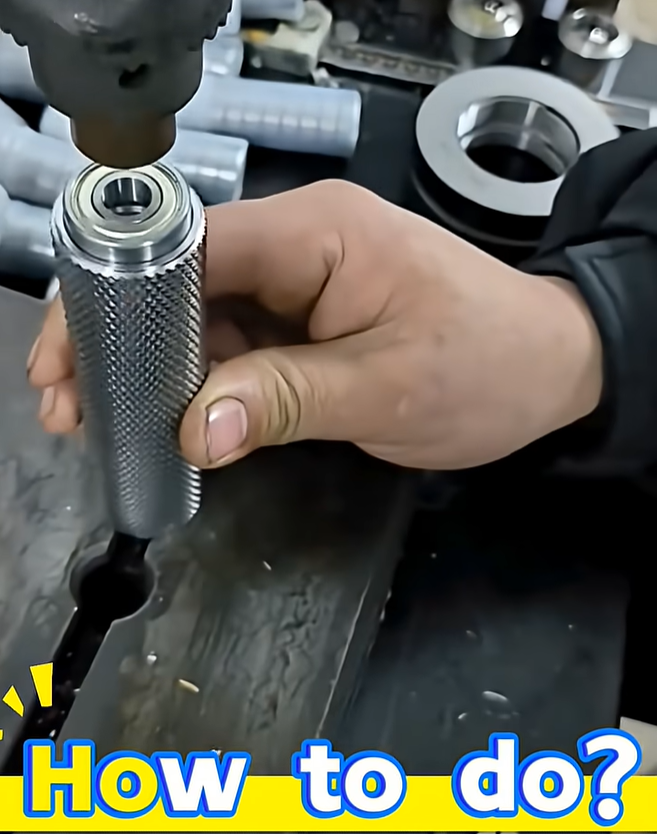
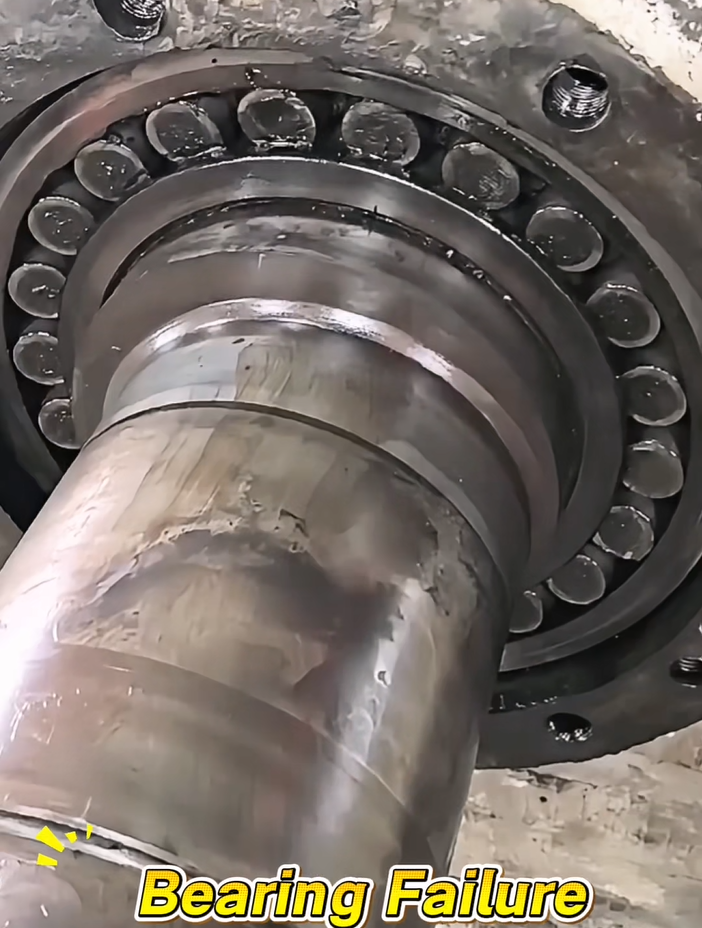
Pellet mills are the heart of feed production, biomass energy, and wood processing. They run under extreme conditions—high loads, dust, heat, and continuous operation. At the center of it all are the bearings. When a pellet mill bearing fails, production stops, and costly downtime follows. Understanding why these bearings fail is the first step to preventing it.
At FODA BEARING, we manufacture heavy-duty bearings designed for demanding applications like pellet mills. But even the best bearing needs the right conditions to survive. Here are the most common reasons pellet mill bearings fail—and how to prevent them.
Common Causes of Pellet Mill Bearing Failure
1. Contamination
Dust and fines enter the bearing, mixing with grease and causing wear.
Prevention: Use good seals and regular grease purging.
2. Overheating
High temperatures degrade lubricant and can cause seizure.
Prevention: Ensure cooling, use high-temp grease, consider C3/C4 clearance.
3. Overloading
Exceeding load ratings causes fatigue and spalling.
Prevention: Match bearing capacity to loads, avoid jams.
4. Improper Lubrication
Too little, too much, or wrong grease all cause problems.
Prevention: Follow recommended type, quantity, and frequency.
5. Misalignment
Uneven load distribution leads to premature wear.
Prevention: Use spherical roller bearings and check alignment regularly.
Keep Your Pellet Mill Running
Most bearing failures are preventable. Focus on cleanliness, correct lubrication, proper loading, and alignment. Choose quality bearings from FODA BEARING—designed for the toughest conditions.