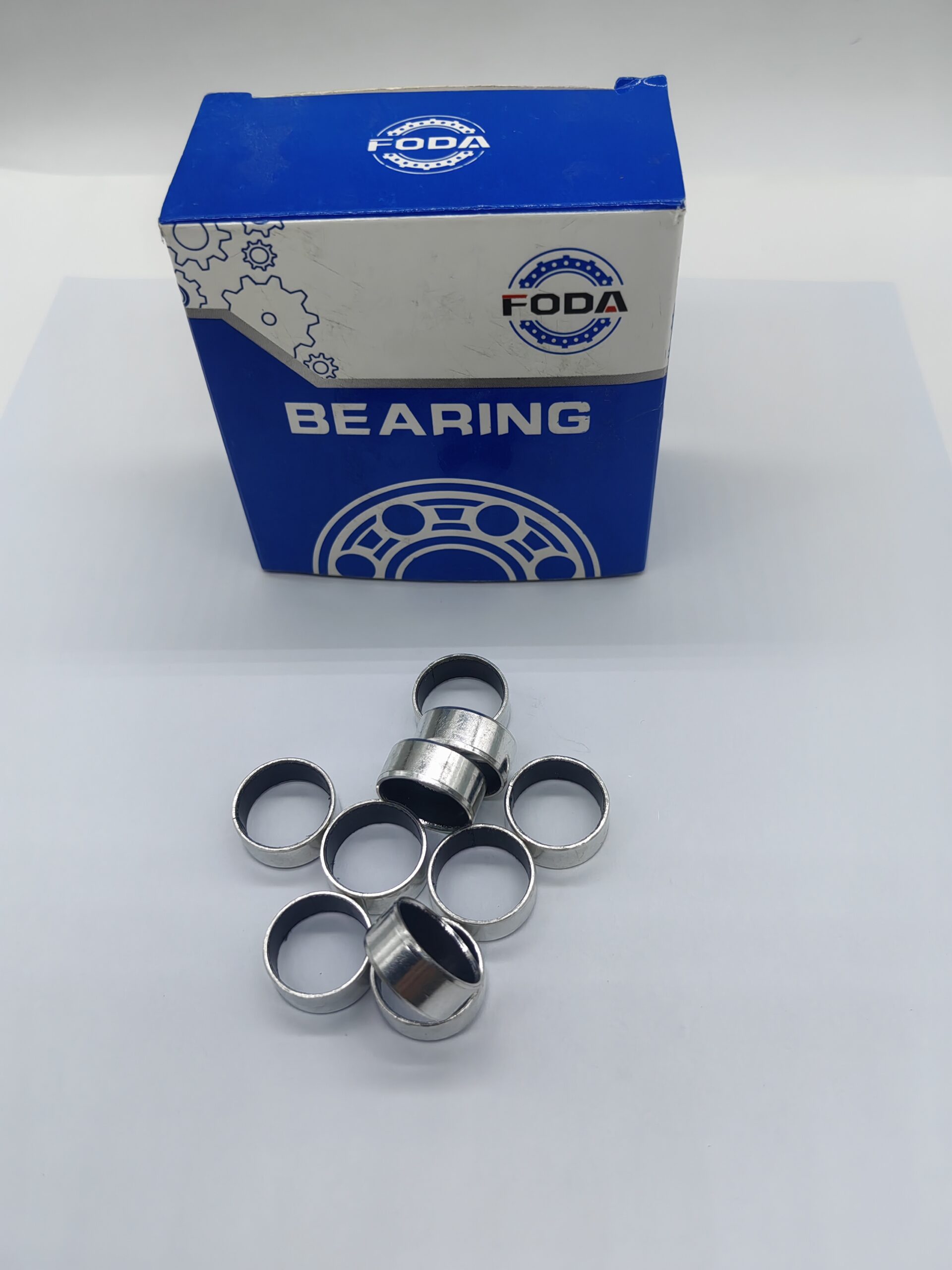
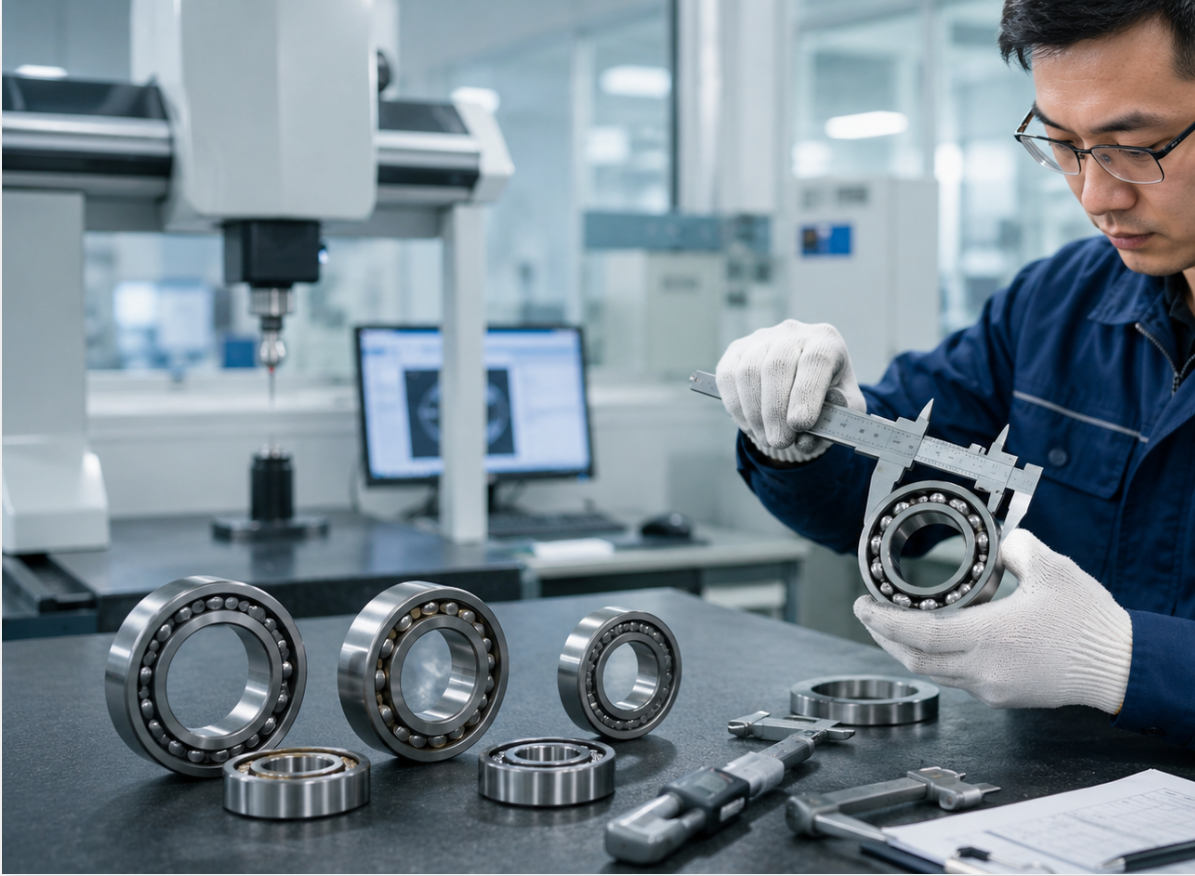
Traction bearings—often used in automotive wheel hubs, electric motors, and drivetrain applications—are critical to safety and performance. When a traction bearing begins to fail, it doesn’t just cause noise; it can compromise vehicle control, increase wear on surrounding components, and even lead to wheel separation if ignored. Knowing how to recognize a bad traction bearing and replace it correctly is essential for any repair professional or maintenance team.
At FODA BEARING, we manufacture precision traction bearings designed for durability and reliability. But even the best bearing requires proper replacement techniques to deliver its full service life. Here’s how to do it right.
Signs of a Bad Traction Bearing
Rumbling noise – Gets louder with speed.
Wheel play – Excessive movement when lifted.
Uneven tire wear or ABS warning – Possible bearing-related issues.
How to Replace a Traction Bearing Correctly
1. Prepare the Work Area and Gather Tools
Safety first. Securely lift and support the vehicle or equipment. You’ll need quality hand tools, a torque wrench, a bearing puller or press, and—most importantly—the correct replacement bearing from FODA BEARING.
2. Remove the Old Bearing Without Force
Avoid hammering directly on the bearing. Use a hydraulic press or a dedicated puller to remove the old bearing cleanly. Impact damage to the hub or spindle will compromise the new bearing’s fit and performance.
3. Inspect and Clean the Mounting Surfaces
Before installing the new bearing, carefully inspect the housing bore, shaft, and any retaining rings. Remove rust, burrs, and old adhesive residue. The mating surfaces must be clean, smooth, and to spec.
4. Install the New Bearing Correctly
Apply force only to the ring that is being press-fitted (inner ring for shaft fit, outer ring for housing fit). Never press through the balls or rollers. Use appropriate installation tools to ensure the bearing seats squarely without tilting.
5. Torque to Specifications
Improper torque is a leading cause of premature bearing failure. Use a calibrated torque wrench to tighten the axle nut or mounting bolts to the manufacturer’s specified value. Correct torque ensures proper bearing internal clearance and prevents loosening.
Why Proper Replacement Matters?
A bearing replacement done right restores performance, safety, and longevity. Done wrong, it invites repeat failures, noise complaints, and unnecessary downtime. At FODA BEARING, we engineer our traction bearings to meet or exceed OEM standards—but we always remind our customers that installation quality is the final, critical step.