Bearings are essential to nearly every piece of rotating machinery. They support loads, reduce friction, and enable smooth operation. But when a bearing fails unexpectedly, it can bring production to a halt, damage surrounding components, and lead to costly repairs. The good news is that most bearing failures are preventable. By understanding the common causes, you can take simple steps to extend bearing life and keep your equipment running reliably.
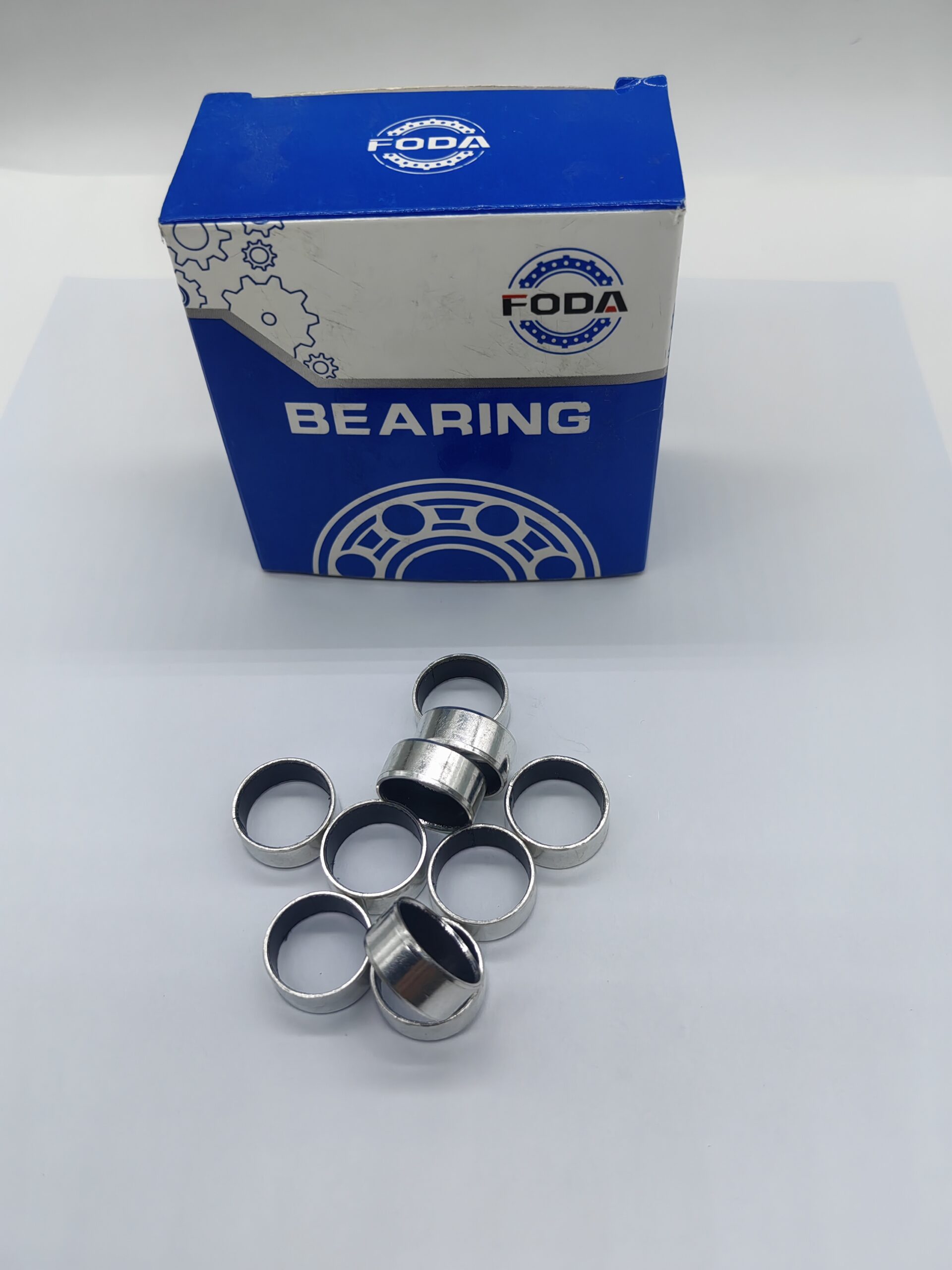
At FODA BEARING, we manufacture high-quality bearings designed for durability. But even the best bearing needs proper care. Here are the most common causes of bearing failure—and how to prevent them.
Common Causes of Bearing Failure
1. Poor Lubrication
Too little grease, the wrong type, or contamination can cause overheating and wear.
2. Improper Installation
Hammering, misalignment, or incorrect fit leads to premature failure.
3. Contamination
Dirt, dust, or moisture entering the bearing damages rolling elements and raceways.
4. Overloading
Excessive load beyond design limits causes fatigue and spalling.
5. Incorrect Clearance
Too little clearance causes overheating; too much creates vibration and noise.
How to Prevent Bearing Failure?
Use the right lubricant – Follow specifications and maintain proper intervals.
Install correctly – Use proper tools and apply force only to the correct ring.
Keep it clean – Protect bearings from dust, moisture, and debris during handling.
Choose quality bearings – A reliable bearing from FODA BEARING starts with better resistance to failure.
Protect Your Bearings, Protect Your Equipment
Bearing failure rarely happens without a preventable cause. By paying attention to lubrication, installation, contamination, loading, and clearance, you can significantly extend bearing life and avoid costly downtime.
At FODA BEARING, we don’t just manufacture high-quality bearings—we help our customers get the most out of them. From proper selection to installation guidance, we’re here to support you.