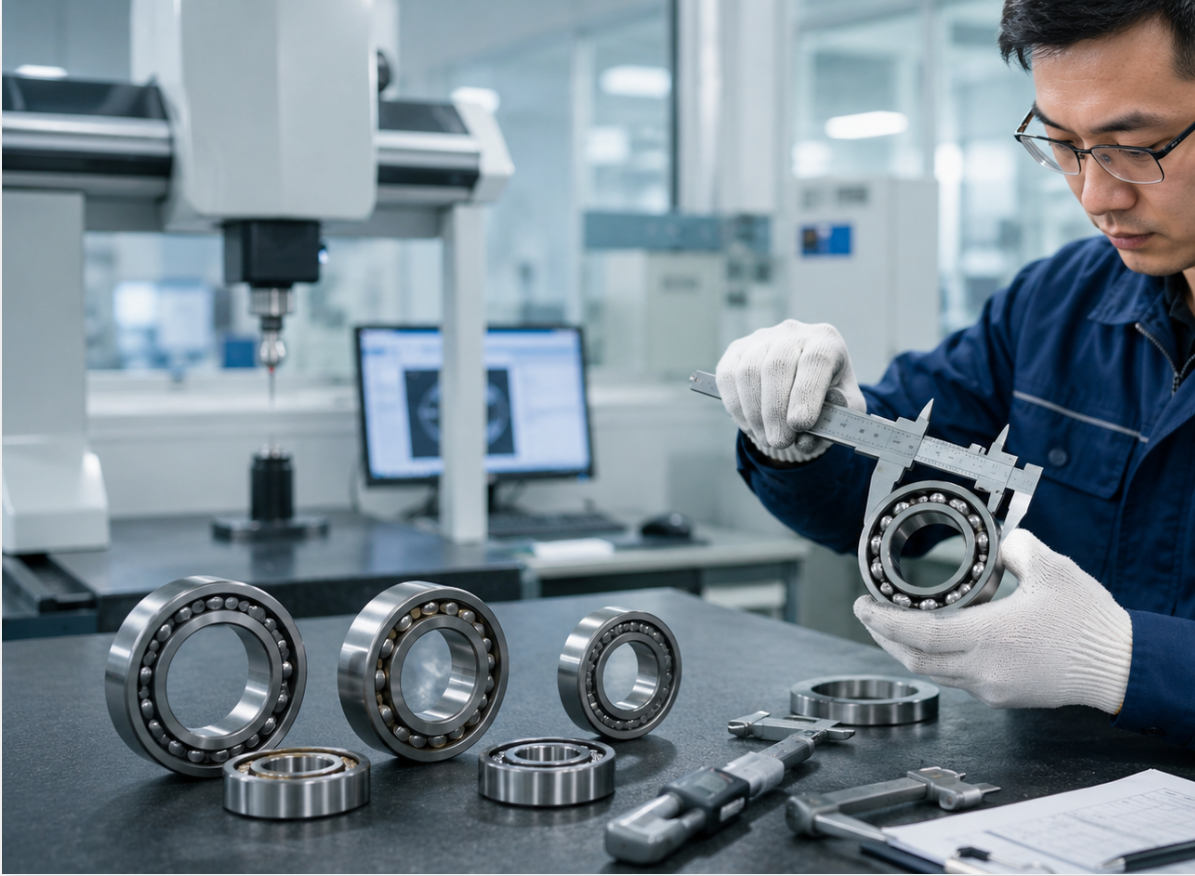
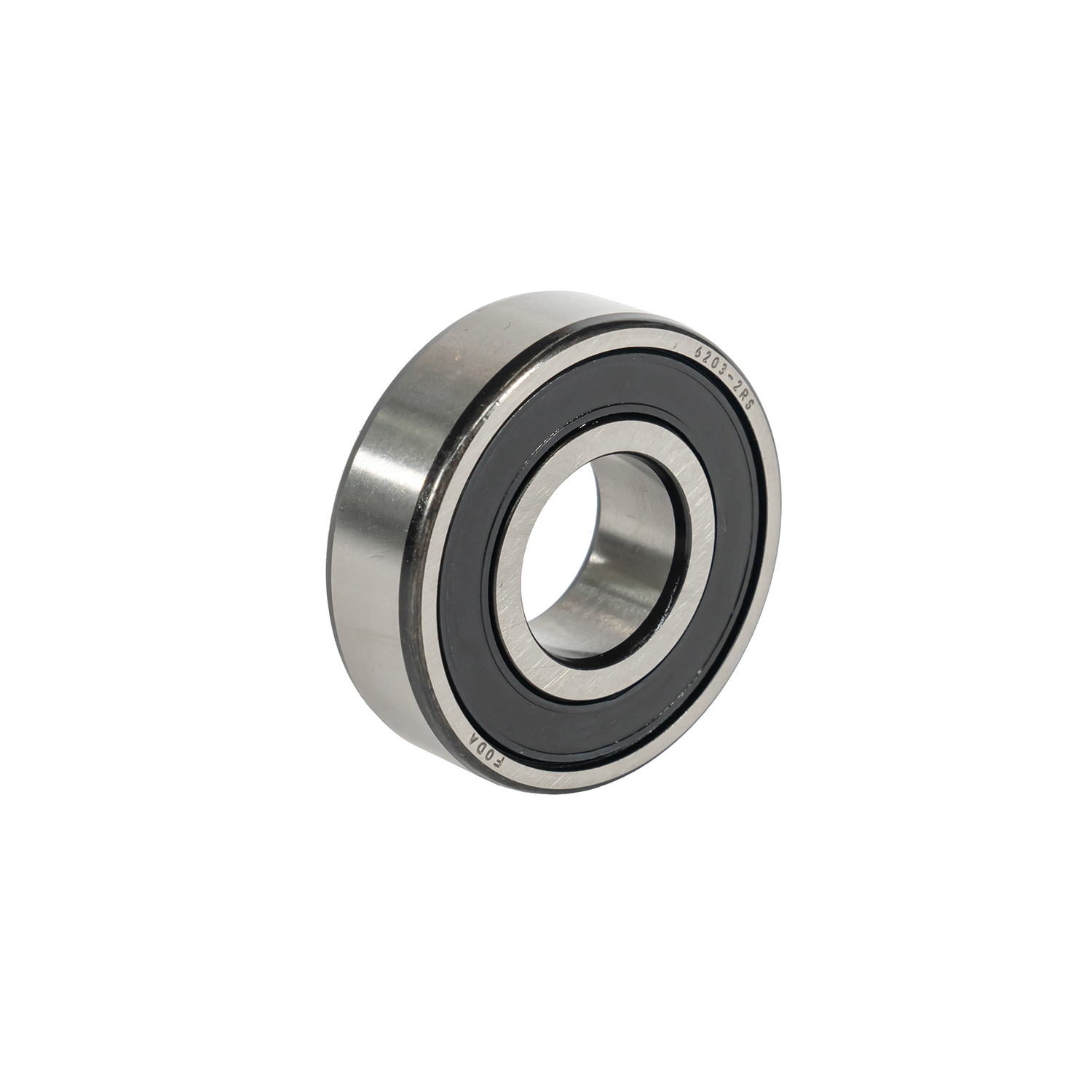
When it comes to bearings, “tolerance” means two things: manufacturing precision and internal clearance. While precision is essential, internal clearance—the amount of play within the bearing—is often overlooked. Yet choosing the right clearance, and sometimes opting for “more” clearance, can be the difference between a bearing that runs smoothly for years and one that fails prematurely.
At FODA BEARING, we know that one clearance does not fit all. Understanding why more tolerance (clearance) matters helps you select the right bearing for your application and avoid costly failures.
What Is Internal Clearance?
Internal clearance is the total amount of free movement within a bearing. It allows for thermal expansion, misalignment, and load distribution. Bearings are manufactured with different clearance classes—such as C2 (less than normal), CN (normal), C3 (greater than normal), and C4 (even greater)—to suit different operating conditions.
Why “More” Clearance Is Often Better
In many applications, selecting a bearing with greater clearance—such as C3 or C4—offers distinct advantages::
1. Accommodates Thermal Expansion
Machines generate heat during operation. Shafts and housings expand, which reduces internal clearance. If the starting clearance is too small, the bearing can lose all internal play, leading to overheating, increased friction, and eventual seizure. More clearance provides a safety margin for temperature rise.
2. Handles Interference Fits
Bearings are often mounted with interference fits—where the inner ring is pressed tightly onto the shaft or the outer ring into a housing. These fits reduce internal clearance. Starting with a larger clearance ensures that after installation, the bearing still has enough room to operate correctly.
3. Compensates for Misalignment
Perfect alignment is rare in real-world applications. Shaft deflection, housing inaccuracies, and mounting tolerances all create slight misalignments. Bearings with greater clearance can better accommodate these conditions, reducing stress on rolling elements and extending service life.